
From February 5th to 7th, the Economics and Management School at Wuhan University, in partnership with the Dengfeng Platform, successfully hosted the "Economics and Management Offline Study Camp." Fifty-three high school students from across the nation gathered at Luojia Mountain for a two-and-a-half-day immersive learning journey. Through academic lectures, laboratory explorations, corporate visits, and interactive practices, participants experienced the rational beauty of economics, the tangible power of technological innovation, and the academic atmosphere of this century-old institution—a winter learning odyssey rich in both intellectual depth and practical engagement.
Day 1: Economic Theory and Technology Exploration
The camp opened on February 5 with a ceremony hosted by Xu Xiaohui and addressed by Deputy Party Secretary Li Hao, who welcomed students and highlighted the School's commitment to cultivating globally-minded talent.
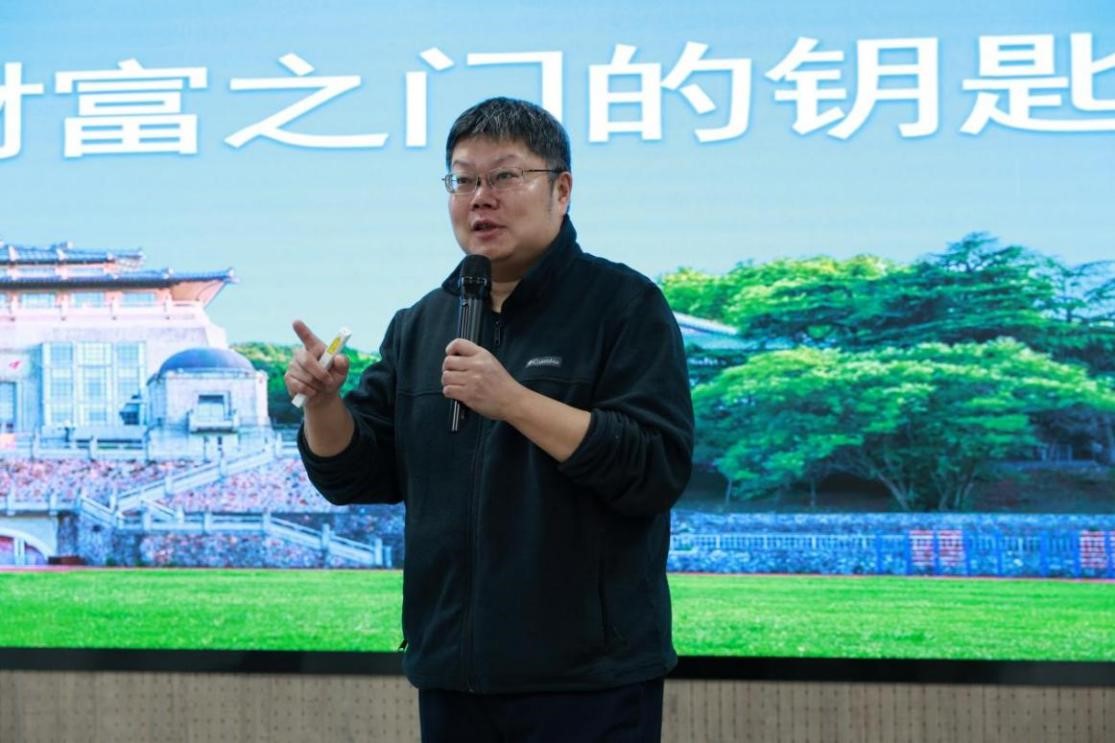
Professor Li Xuesong then delivered the first lecture, "Economics: The Key to Wealth," introducing core concepts and real-world applications through engaging examples. The session received an enthusiastic response from participants.
Students then visited Wuhan University's advanced labs, witnessing practical outcomes of interdisciplinary innovation. At the Smart Decision-Making Space, Vice Dean Huang Minxue demonstrated data visualization applications using glasses-free 3D technology. In the Cultural Heritage Digital Performance Theater, participants experienced interactive digital devices, feel the creative energy emerging from technology-humanities integration.
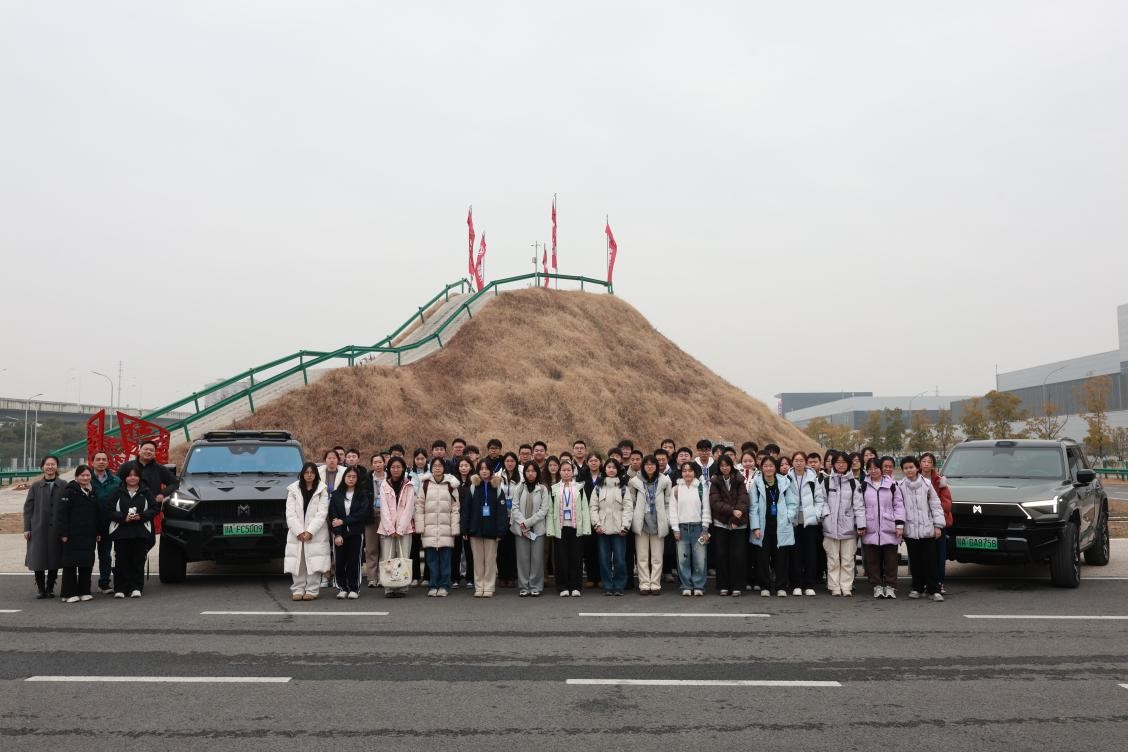
In the afternoon, participants visited Dongfeng Motor Corporation. Through on-site explanations and exhibits, they learned about the technical performance of representative models like the "Mengshi 917 Jiaolong Armor" under complex conditions. They also gained insights into Dongfeng's development history, revolutionary heritage, and innovations—including China's first mass-produced fully automatic military off-road vehicle. The company's journey from independent R&D to diversified product lines, and from technological breakthroughs to social responsibility, left a deep impression on the students.
Afterward, students visited the Wanlin Art Museum. Its unique architecture complemented the rich collections spanning history: Neolithic pottery, Shang-Zhou bronzes, and paintings and calligraphy from various dynasties. A special exhibition highlighted Wuhan University's history and alumni achievements, showcasing the institution's heritage.
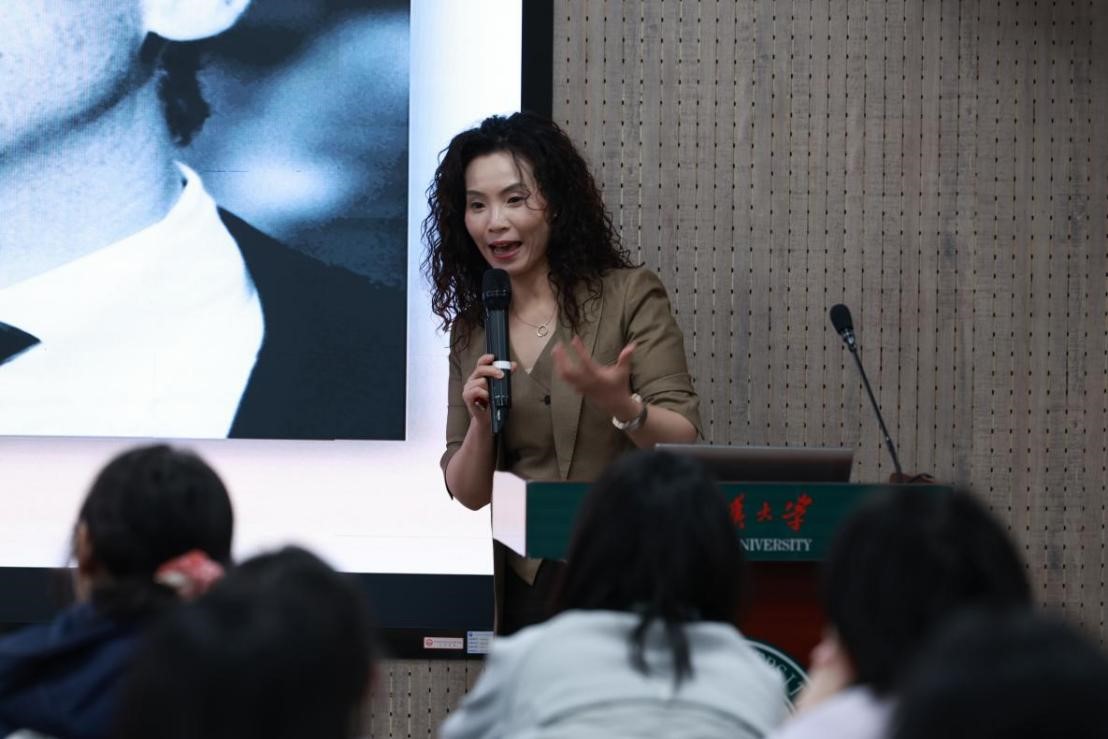
That evening, Professor Du Li from the Department of World Economy delivered a lecture on "Innovative Thinking and Skill Development in the AI Era." She explored the core competencies needed for future talent and guided students on self-growth amid technological transformation.
Day 2: Behavioral Experiments and Revolutionary Heritage
On the morning of February 6, Professor Wei Lijia led a session on behavioral economics, introducing key concepts like bounded rationality and cognitive biases. He also explored AI's role in behavioral data analysis and policy evaluation, sparking students' interest in cutting-edge research.
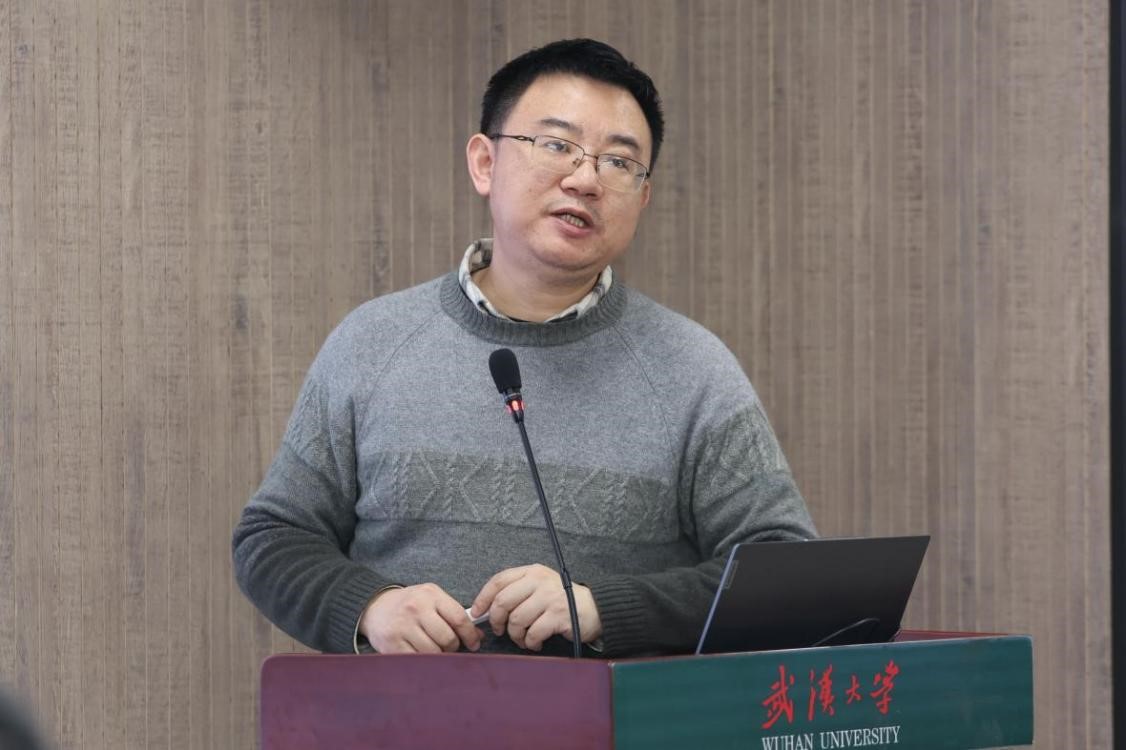
After the lecture, students participated in a behavioral economics experiment simulating college application decisions. The activity demonstrated how factors like matching mechanisms and risk preferences influence individual choices, making abstract concepts tangible.
In the afternoon, guided by Xu Xiaohui, students visited Zhou Enlai's Former Residence and the Wuhan University History Museum. At the former, they reviewed historical materials depicting the revolutionary leader's time at the university. The museum's exhibitions showcased Wuhan University's century-long development and educational achievements.
That evening, Wang Fang from the Undergraduate Teaching Management Office introduced the school's academic programs and disciplinary strengths. She guided students on matching their interests with potential majors and provided tips for group presentations—emphasizing clear arguments, solid content, teamwork, and confident delivery. An interactive Q&A session followed.
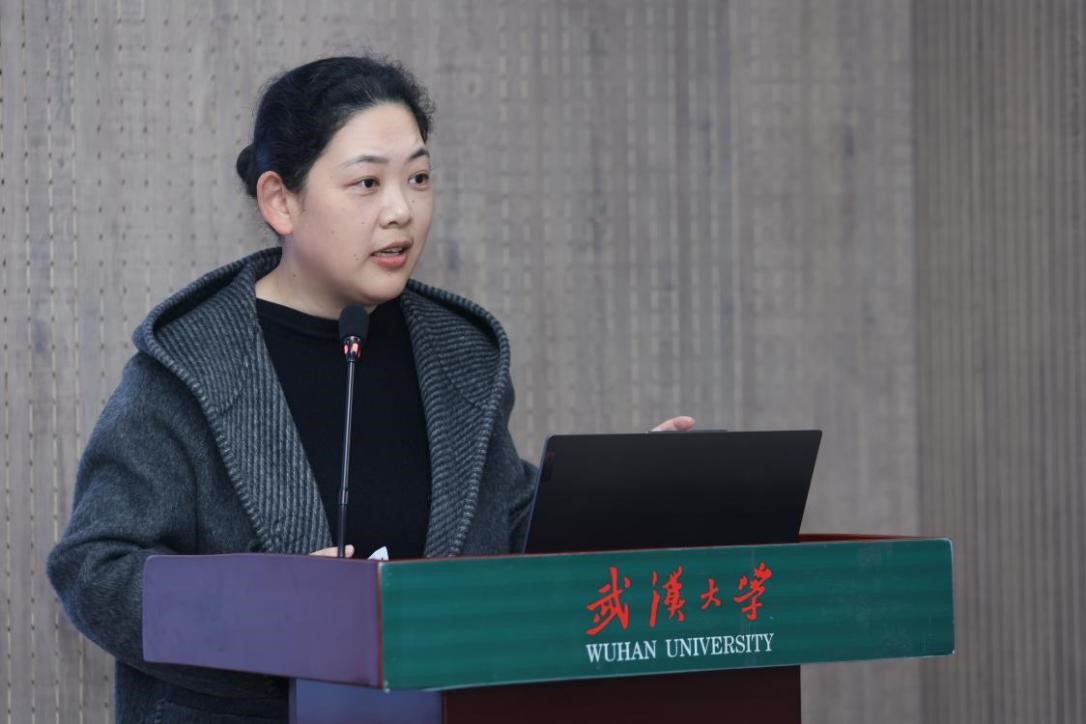
After the session, teachers Wang Fang and Xu Xiaohui, along with graduate volunteers, provided one-on-one mentoring to each group on their chosen presentation topics—such as AI's relationship with humanity, cultural IP empowerment, and business for good. They offered advice on frameworks, case selection, and argumentation, while volunteers helped organize materials and conduct mock rehearsals, preparing students for the final presentations.
Day 3: AI Finance and Final Presentations
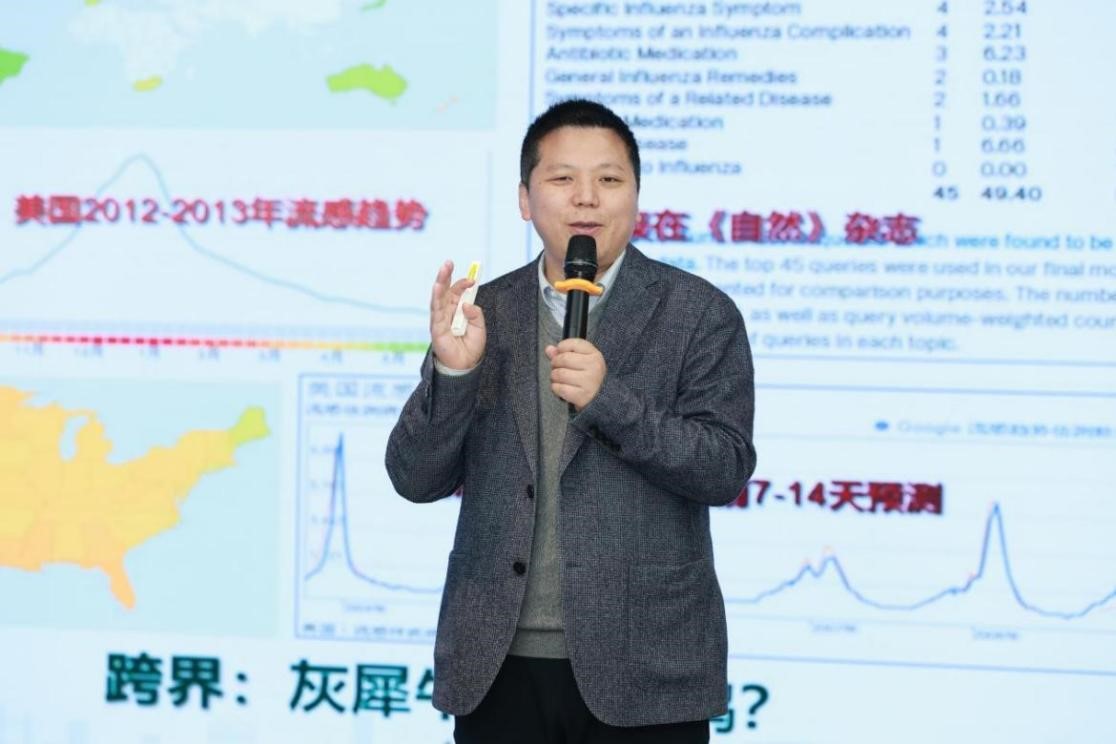
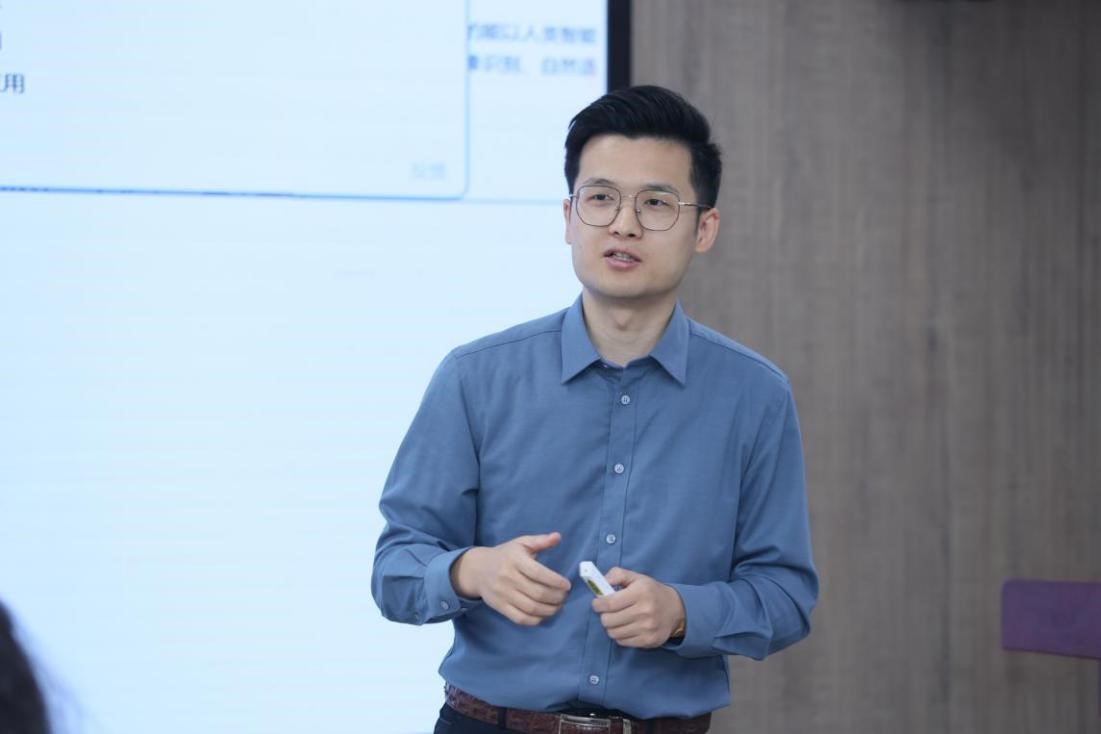
On the morning of February 7, Dr. Li Changjun delivered a lecture on "AI Applications and Enterprise Digital Management." Through interactive questioning and live demonstrations, he explained AI's core concepts and characteristics, comparing traditional machines, AI systems, and humans across natural, social, and functional dimensions. He explored human-AI collaboration in digital workplaces, helping students understand AI's impact on work patterns and organizational management.
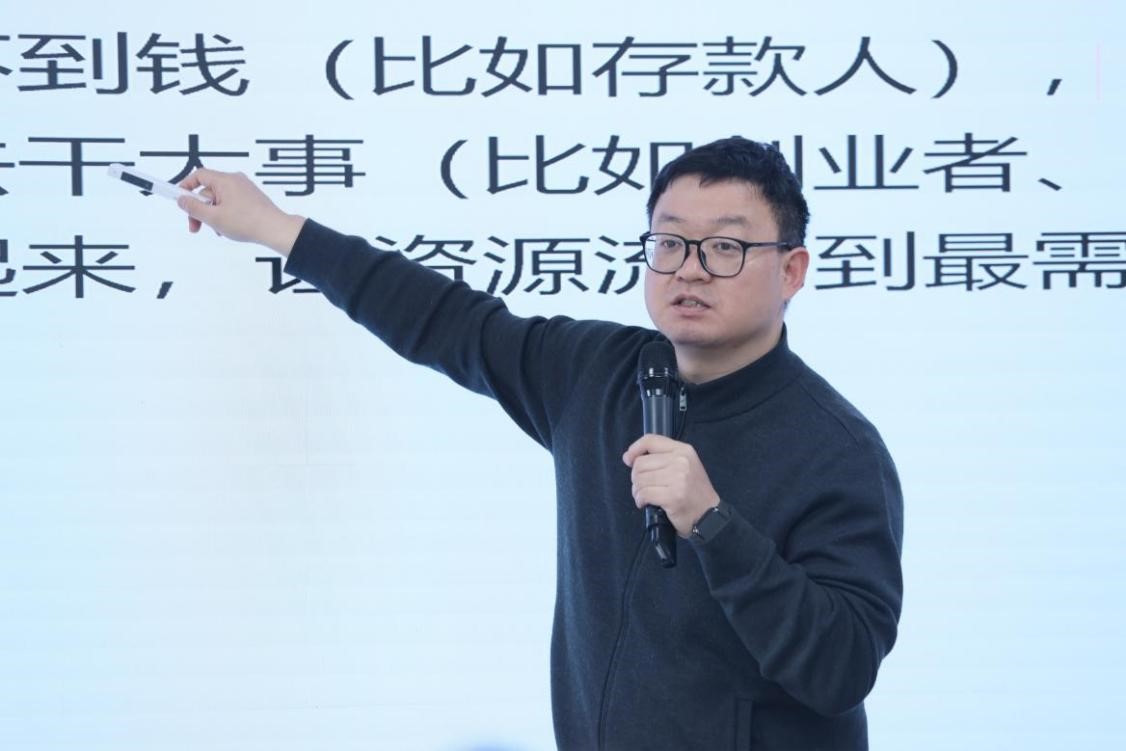
Vice Dean Professor Li Bin then delivered a talk on "The World of Finance and the Power of Technology." Using real-life examples, he explained finance's core role in facilitating capital flow and resource allocation, illustrating the foundational functions of financial markets and intermediaries through hypothetical cases. He also clarified what finance is not—emphasizing it is a rational, long-term choice rather than a tool for speculation. The lecture concluded with an introduction to basic financial concepts like the time value of money and fintech applications, helping students systematically understand the modern financial system.
Final Presentations and Closing Ceremony
The camp concluded with student presentations on three real-world topics: AI as competitor or assistant, cultural IP empowerment through Black Myth: Wukong, and balancing purpose with profit in the "Pangdonglai transforms Better Life" case. Group 5 won top honors for their insightful analysis of people-centered business practices and outstanding teamwork.
In closing remarks, Deputy Party Secretary Li Hao praised participants' engagement and keen observations on economic issues. He encouraged them to continue exploring and welcomed future applications to Wuhan University's Economics and Management School.
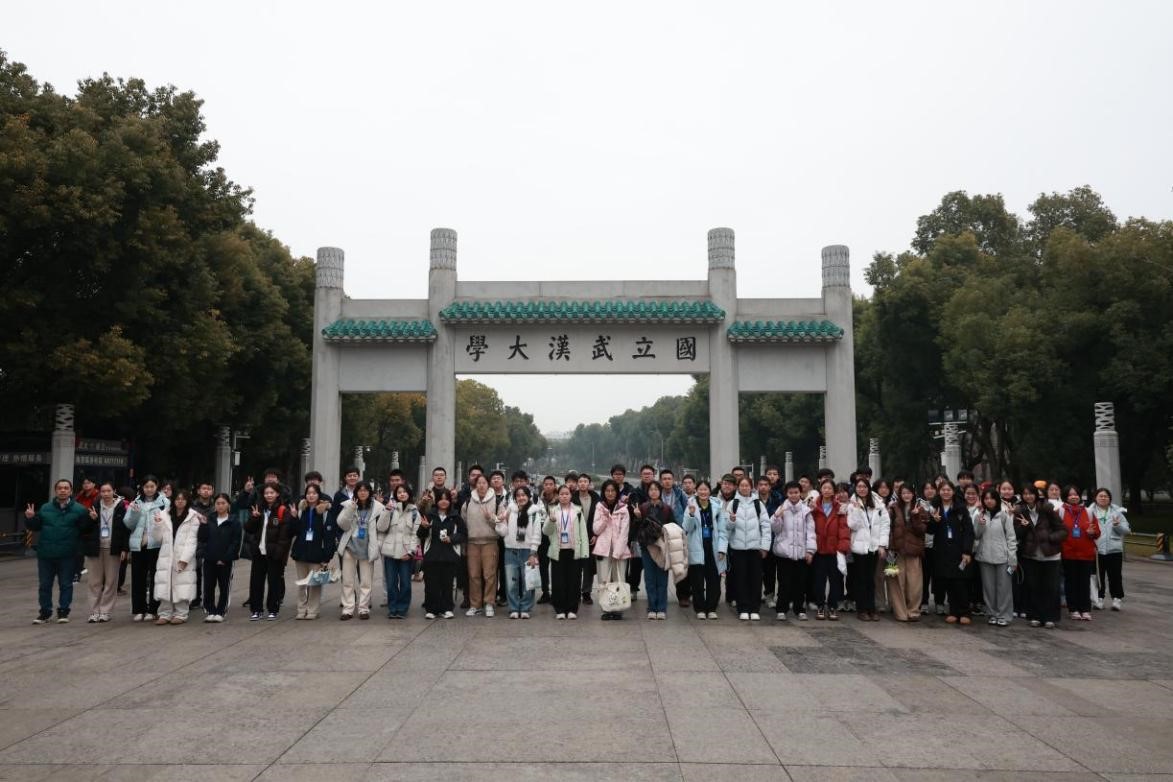
The Economics and Management School 2026 Winter Study Camp successfully bridged the gap between theory and practice for participants, guiding them through the crucial transition from high school to university while deepening their passion for exploring economics and management. Though the journey was brief, the bonds formed will endure. All faculty and students of the School of Economics and Management at Wuhan University sincerely wish every participant a future filled with passion and determination as they continue their academic and life journeys. We look forward to reuniting with you on Luojia Mountain someday, embarking together on the next chapter of exploration.
Reporters: Li Jiahao, Wang Lulu, Li Xinman, Huang Xiahong, Hao Ningxu, Deng Yudong, Zhu Bochen
Reviewer: Sun Xiang


